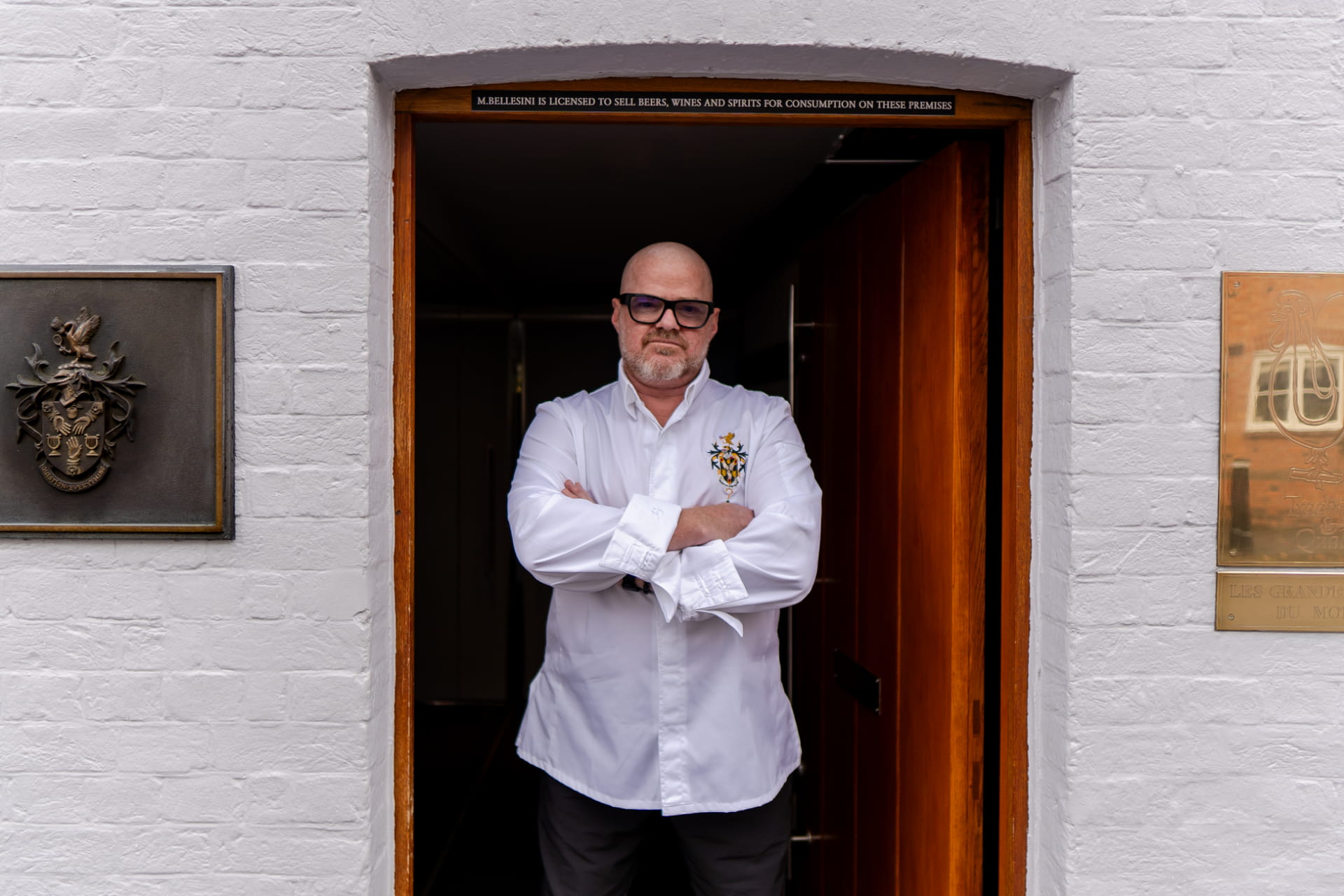
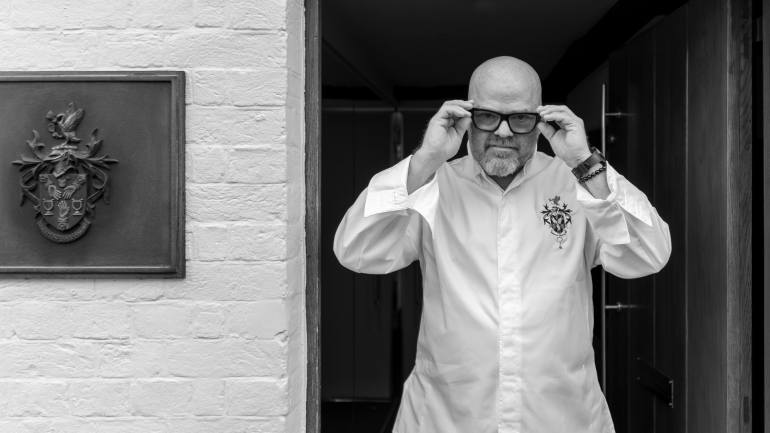
Heston Blumenthal is one of the most distinctive and creative figures in contemporary gastronomy. Born in London on May 27, 1966, he is entirely self-taught, having shaped his culinary path through curiosity, experimentation, and passion. By exploring food science, culinary history, and innovative techniques, he has developed a cuisine that is both inventive and profoundly emotional. In 1995, he opened The Fat Duck in Bray, which quickly became one of the most celebrated restaurants in the world. Awarded three Michelin stars and named The World’s Best Restaurant in 2005, The Fat Duck has left an indelible mark on modern gastronomy through its multisensory experiences, iconic dishes, and extraordinary ability to surprise and delight. Each menu is conceived as a carefully crafted sensory journey, where memory, perception, and imagination interact seamlessly with technical precision. Alongside this flagship restaurant, Heston went on to create other acclaimed establishments, including Dinner by Heston Blumenthal in London, which offers a contemporary reinterpretation of historic British cuisine, as well as a Dubai outpost that reflects his international reach. Across these ventures, he remains guided by the same ambition: to challenge perceptions and transform dining into a truly immersive experience. His work, at the intersection of art, research, and emotion, has significantly influenced the global culinary landscape. Beyond the kitchen, Heston Blumenthal is also an accomplished author and respected media personality, sharing his vision through books, television programmes, and international conferences. A passionate communicator, he enjoys questioning assumptions and redefining how we experience flavour, inspiring a new generation of chefs to push the boundaries of creativity. Today, as he celebrates the 30th anniversary of The Fat Duck, Heston continues to pursue new ideas and culinary challenges, always striving to awaken the senses and redefine the dining experience. It is with great pleasure that we welcome him to the pages of LiFE Magazine, much to the delight of our readers.
As you celebrate the 30th anniversary of The Fat Duck, how are you experiencing this pivotal moment in your career balancing reflection on the past with a constant drive to evolve?
My curiosity and my excitement about sharing what I discover are big drivers of my cuisine, so I’ll always be exploring and experimenting. But I’m also finally coming to accept that I’ve made a significant and maybe even revolutionary contribution to modern cuisine. I couldn’t do that before.
Your approach has always blended science, emotion, and multisensory experience. How does this distinctive signature influence the new generation of chefs?
When I first started, there was a huge resistance, even among chefs, to the idea that science could play a part in cuisine.
I would hope that I’ve encouraged people to be more open-minded, more widely curious and more prepared to embrace the unconventional.
With iconic restaurants in Bray, London, and Dubai, how do you adapt your culinary philosophy to the different gastronomic cultures around the world?
There’s a well-developed set of culinary beliefs that underpin my cooking – based on curiosity, playfulness and storytelling as well as technical precision and excellence. We apply this DNA to everything we do.
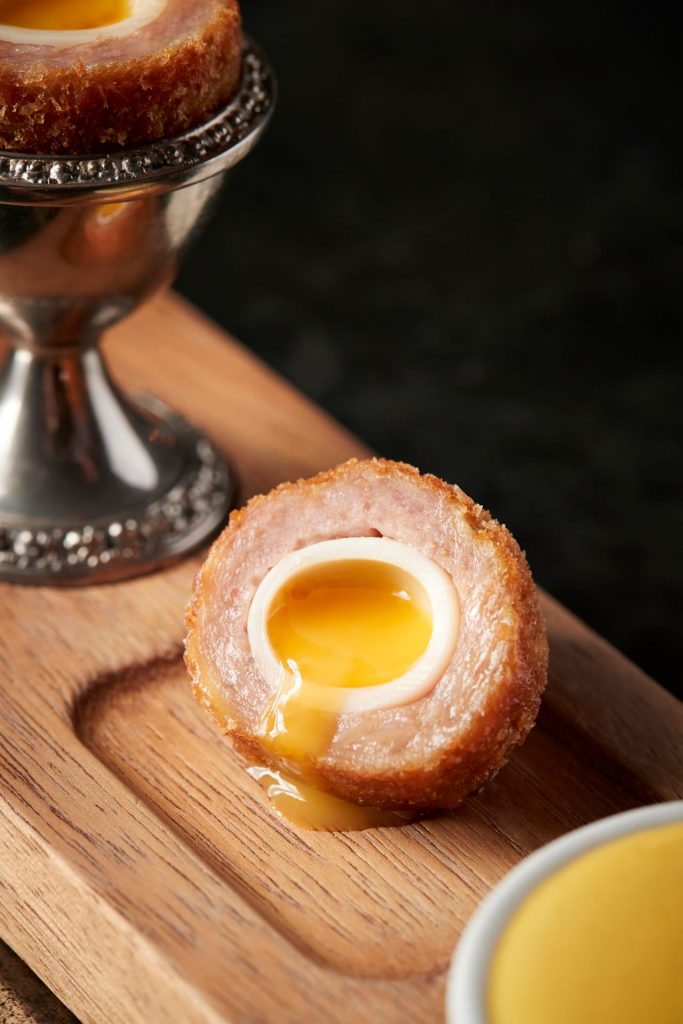
Creativity requires consistency and thrives under pressure. How do you now manage the balance between culinary innovation and personal rhythm, while maintaining three-Michelin-star excellence?
I used to spend over 20 hours a day in the Fat Duck kitchen, so I’m not sure I’m a good example of personal rhythm. And eventually it all took a toll on my physical health and mental well-being. (I was diagnosed as ADHD in 2017, and bipolar in 2023.) Maintaining that Michelin-star excellence for over 20 years is above all down to having an incredible team who share my commitment and beliefs.
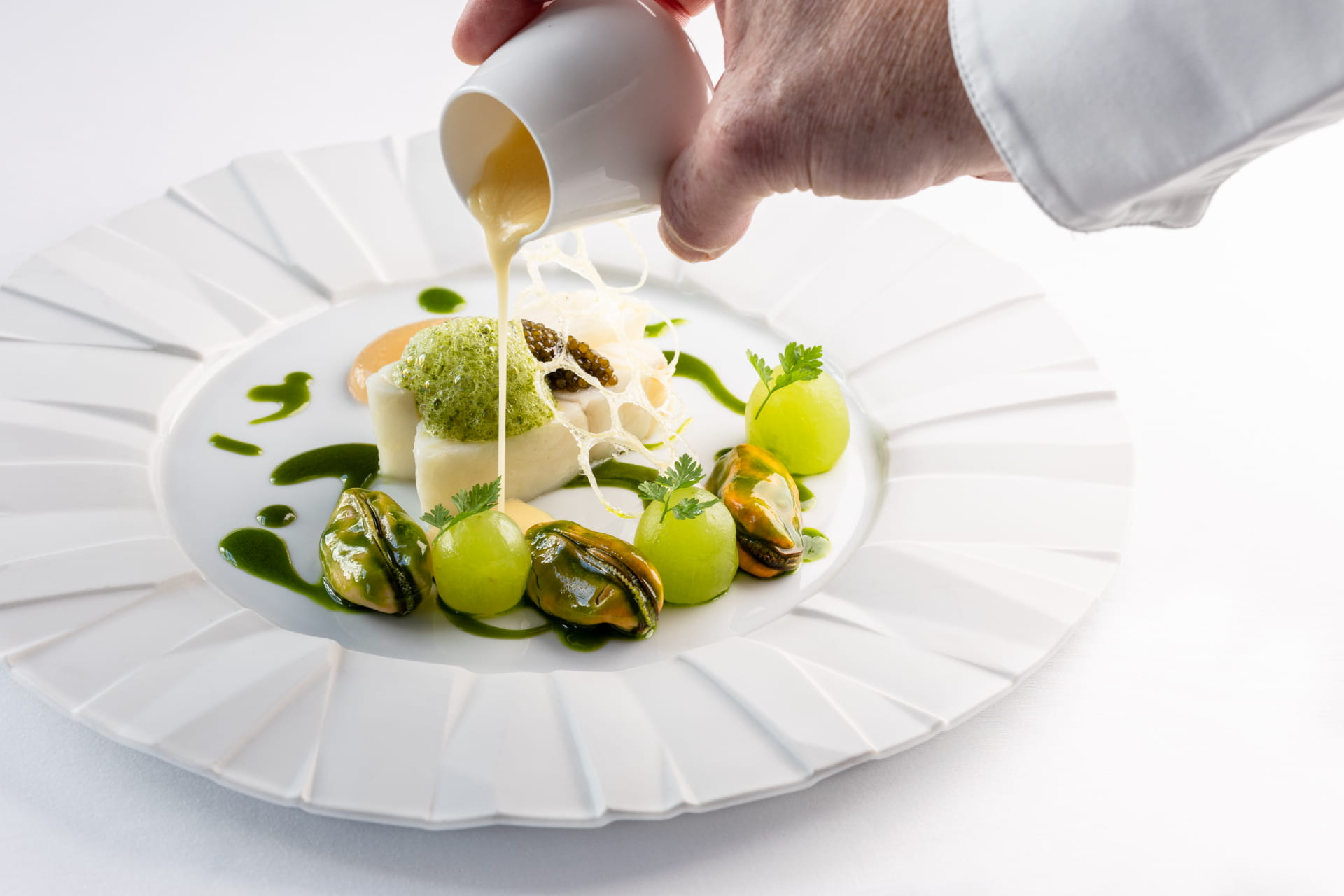
Guests are often surprised by your spectacular creations from intricate desserts to immersive, unexpected experiences. What emotions or stories do you seek to convey through your dishes?
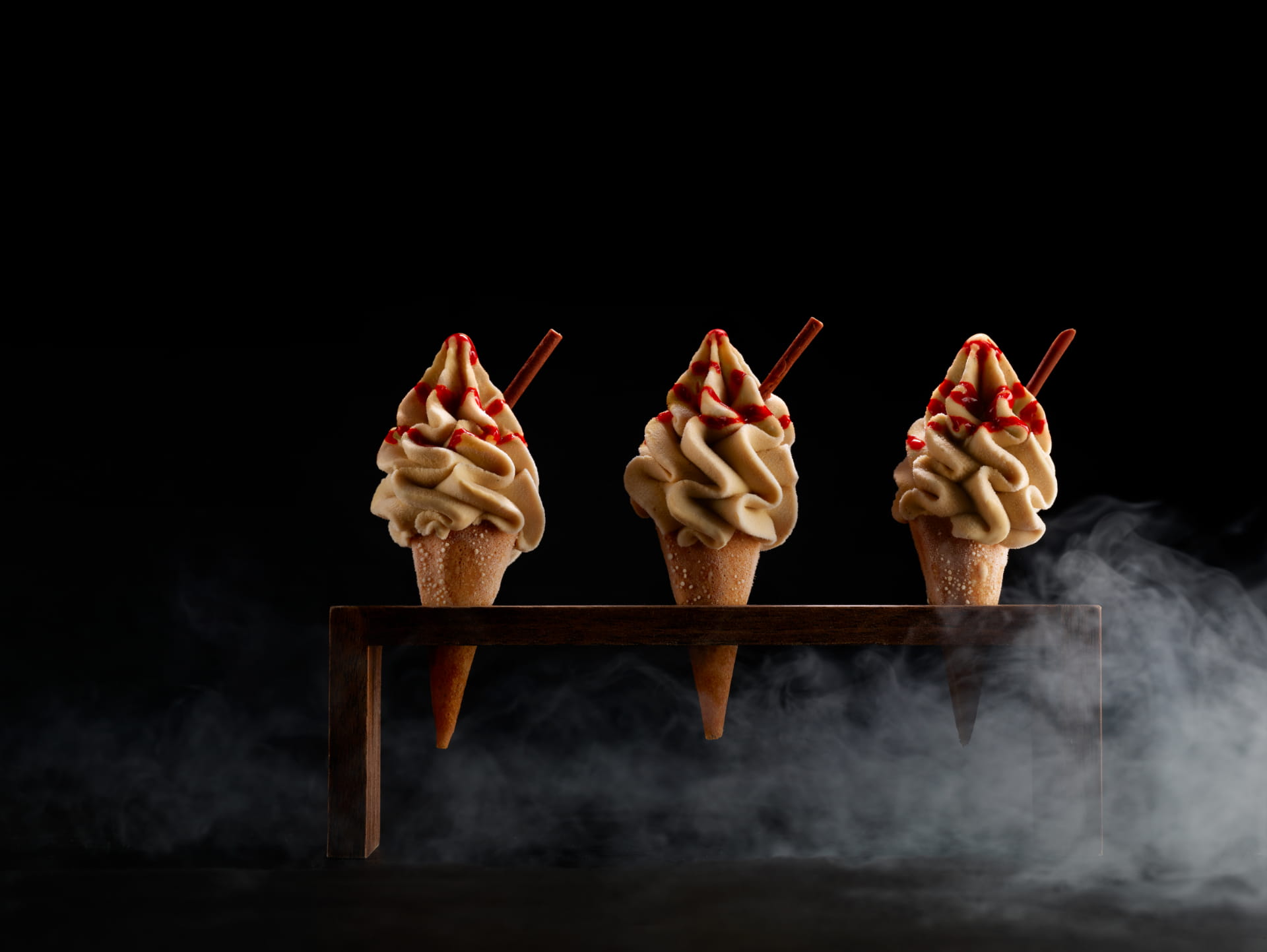
The emotions and stories usually grow out of the dishes rather than the other way around. Bacon & Egg Ice Cream, for example, was first prompted by my curiosity about breaking a culinary convention. Gradually, through my associations and memories, it became a nostalgic breakfast-as-a-dessert course, complete with a mini cereal pack. Each dish evokes something different. In ‘Sound of the Sea’ I definitely wanted to create a dish that looked, smelled, tasted and sounded like a seascape.
How do you envision the future of fine dining, and what role do you see yourself playing in this evolution?
I think the most interesting things will be precisely those that we can’t envision. Expect the unexpected. That said, I’m fascinated by the microbiome and how our gut influences our emotions and our perceptions (of flavour as well as countless other things). That’s a whole universe for chefs to explore. As for my role, I hope I remain an inspiration to others to follow their instincts, explore and make discoveries.
What would you like to wish the readers of LiFE Magazine?
Protect your imagination. And question everything!