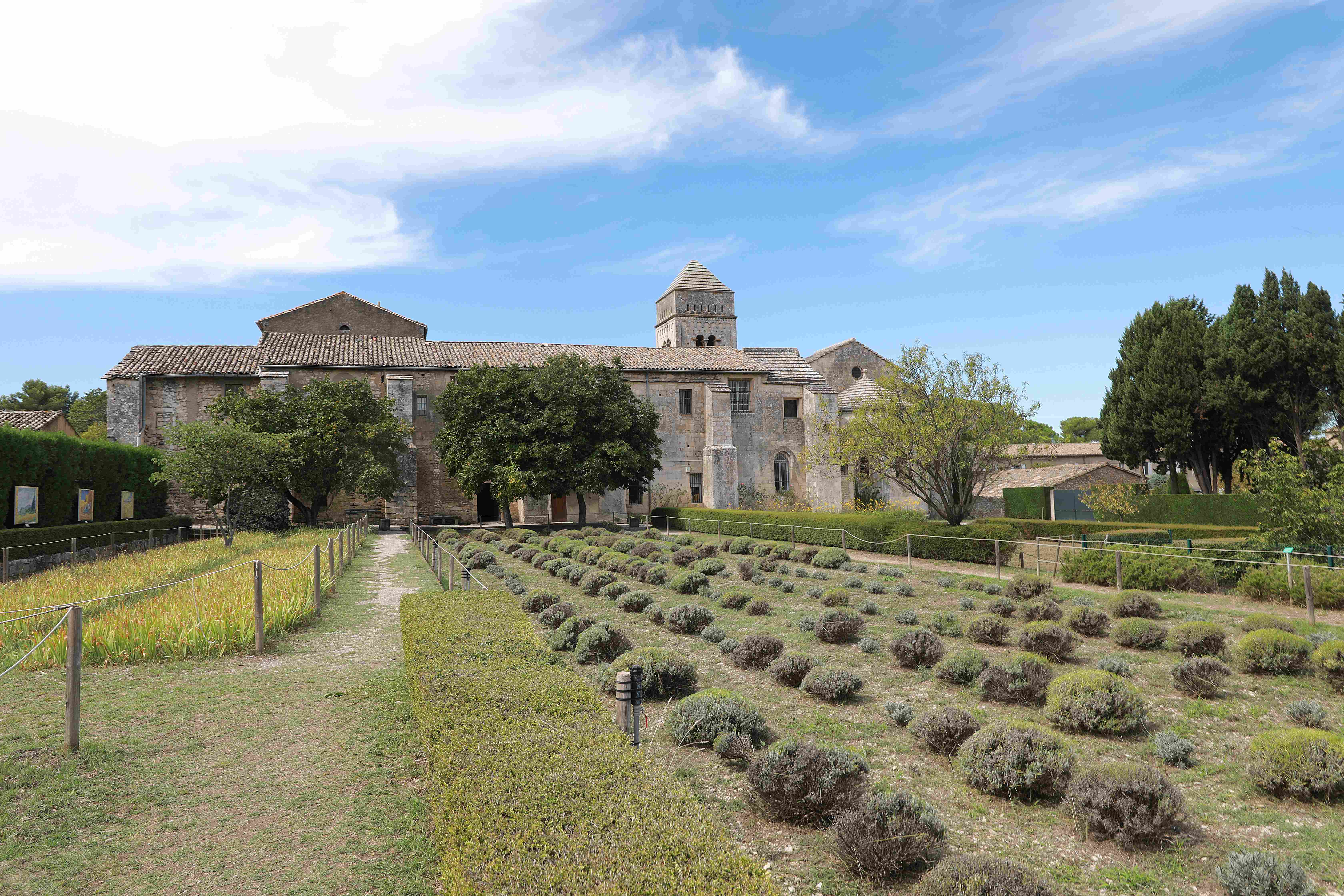
In Saint-Rémy-de-Provence, Saint-Paul de Mausole rises amid a setting of olive trees and lavender, bathed in the light of the Alpilles. This 11th-century Romanesque monastery seems suspended in time. Far more than a simple asylum for Vincent van Gogh, it became a refuge, a studio, and a place of rebirth. Within these walls, the artist seeking peace transformed his suffering into masterpieces. A true immersion into the world of Van Gogh, where turmoil became creation.
The light of a genius
Admitted to Saint-Paul de Mausole in May 1889, after the infamous episode of the severed ear, Van Gogh was welcomed by Dr. Peyron, a pioneer of what we would now call art therapy. He encouraged the painter to work as a way to soothe his troubled mind. In the monastery’s garden, Van Gogh regained the strength to create. Nature became his remedy and nourished his palette.
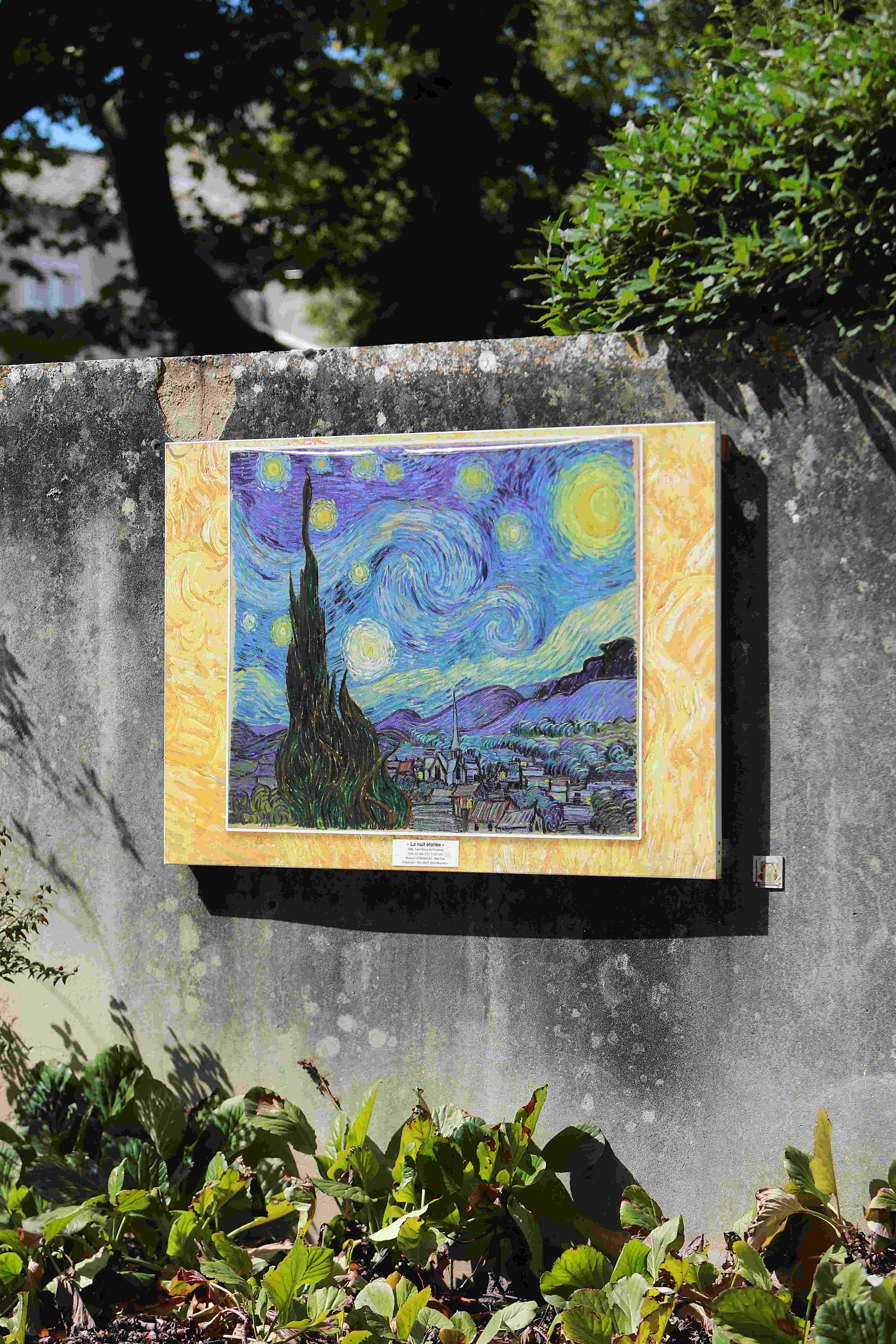
In just one year, he produced 143 paintings, including some of his most iconic works: Irises, Starry Night Over the Rhône, and Wheatfield with Cypresses. These masterpieces, infused with light and movement, express a renewed sense of calm a search for beauty as an antidote to suffering.
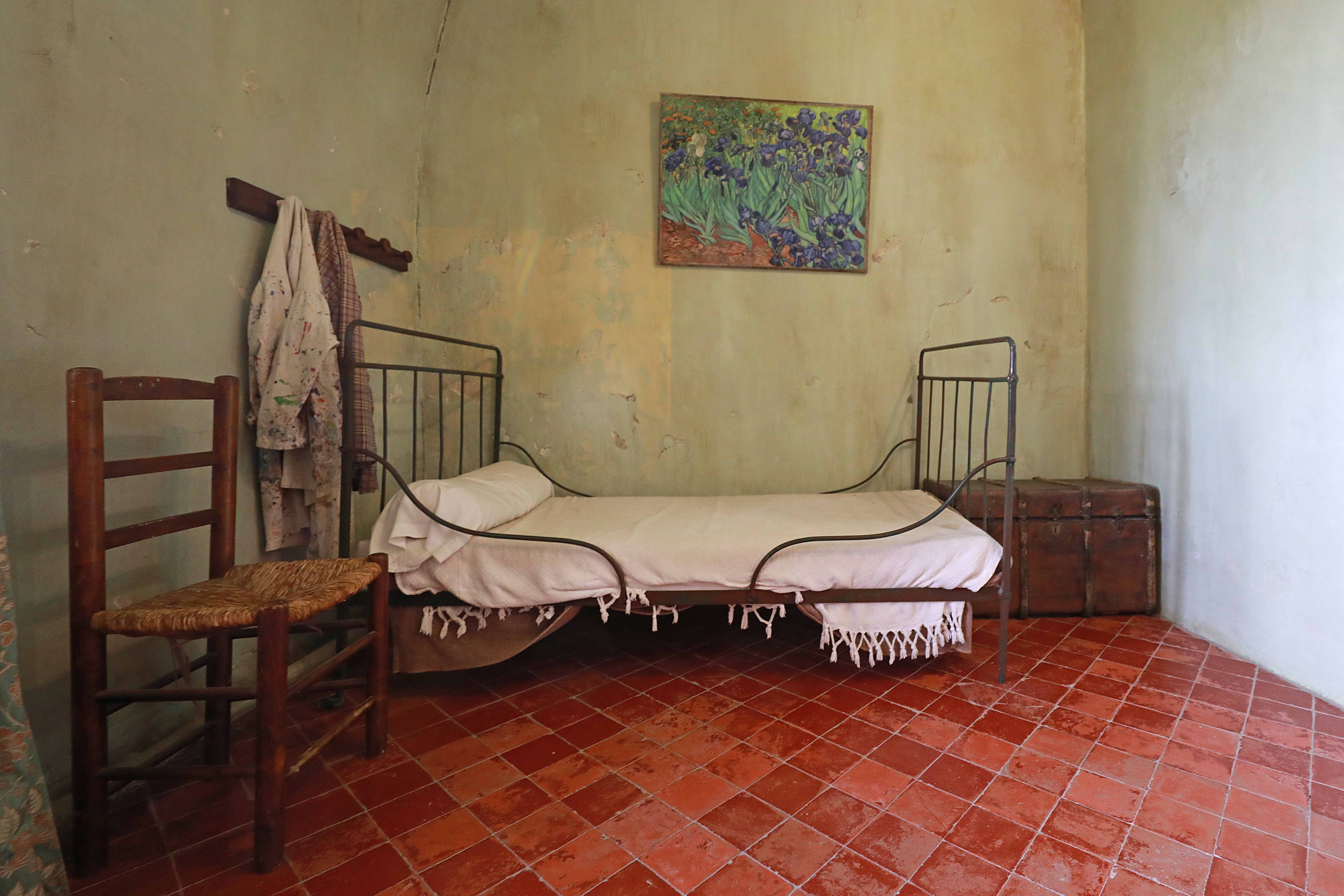
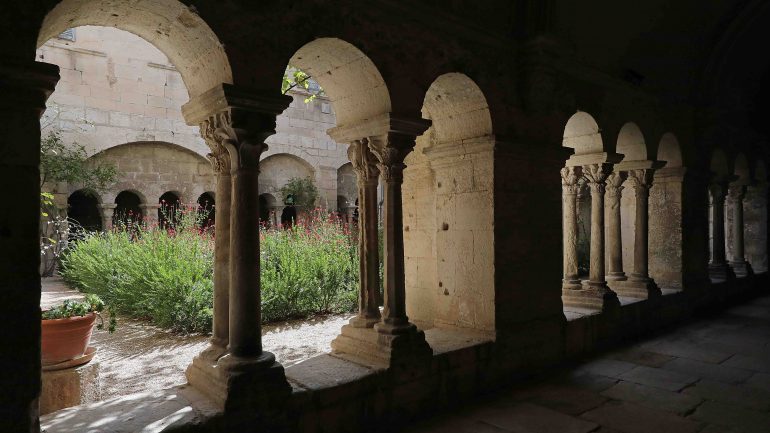
Today, visitors can explore the cloister, visit the reconstructed bedroom where the artist stayed, wander through the gardens where he set up his easel, and understand how the light of the South can become a form of therapy.
A living legacy
Saint-Paul de Mausole remains both a place of care and a place of transmission. The Valetudo association, located within the cloister, continues to uphold the belief that art can heal: patients paint, exhibit their work, and engage with visitors. A living echo of Van Gogh, who saw color as a way to rise again.
A place of memory and rebirth, Saint-Paul de Mausole offers a sensory experience where art becomes healing, and Provence itself becomes a source of renewal.
Saint-Paul de Mausole – Chemin Saint-Paul – 13210 Saint-Rémy-de-Provence