The Last Forest Stronghold of the Coastline
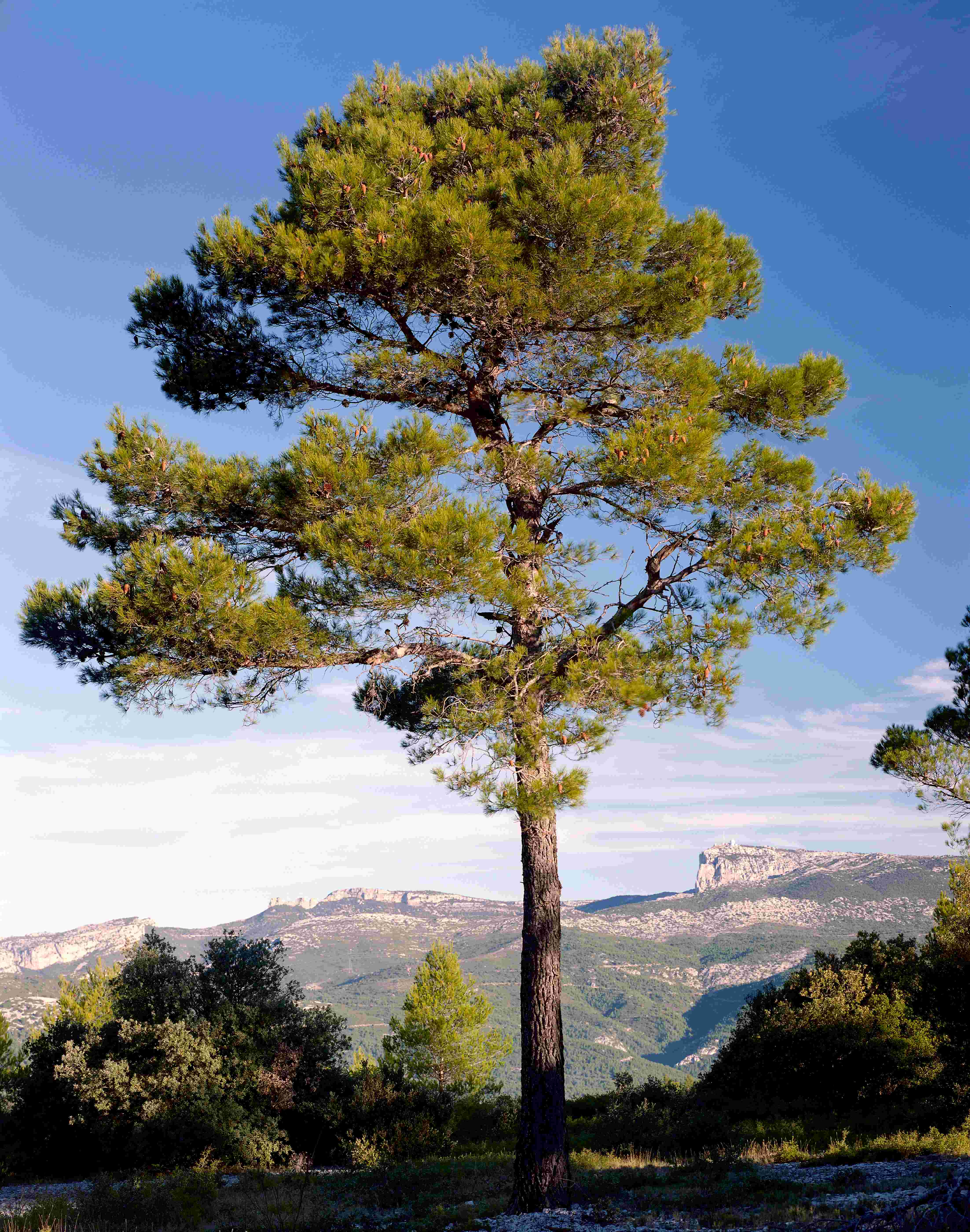
Between Ceyreste and Roquefort-la-Bédoule, the Fontblanche departmental estate stretches over more than 850 hectares of preserved natural land, where the forest seems to tumble into the sea. With its wild appearance, the terrain is shaped by steep slopes, limestone cliffs, and deep valleys, forming one of the last major forested areas along the Bouches-du-Rhône coastline. Here, nature asserts itself in all its power: Aleppo pines, holm oaks, fragrant garrigue, and, in the distance, the sparkling Mediterranean.
A breathtaking route along the “Balconies of the Mediterranean”
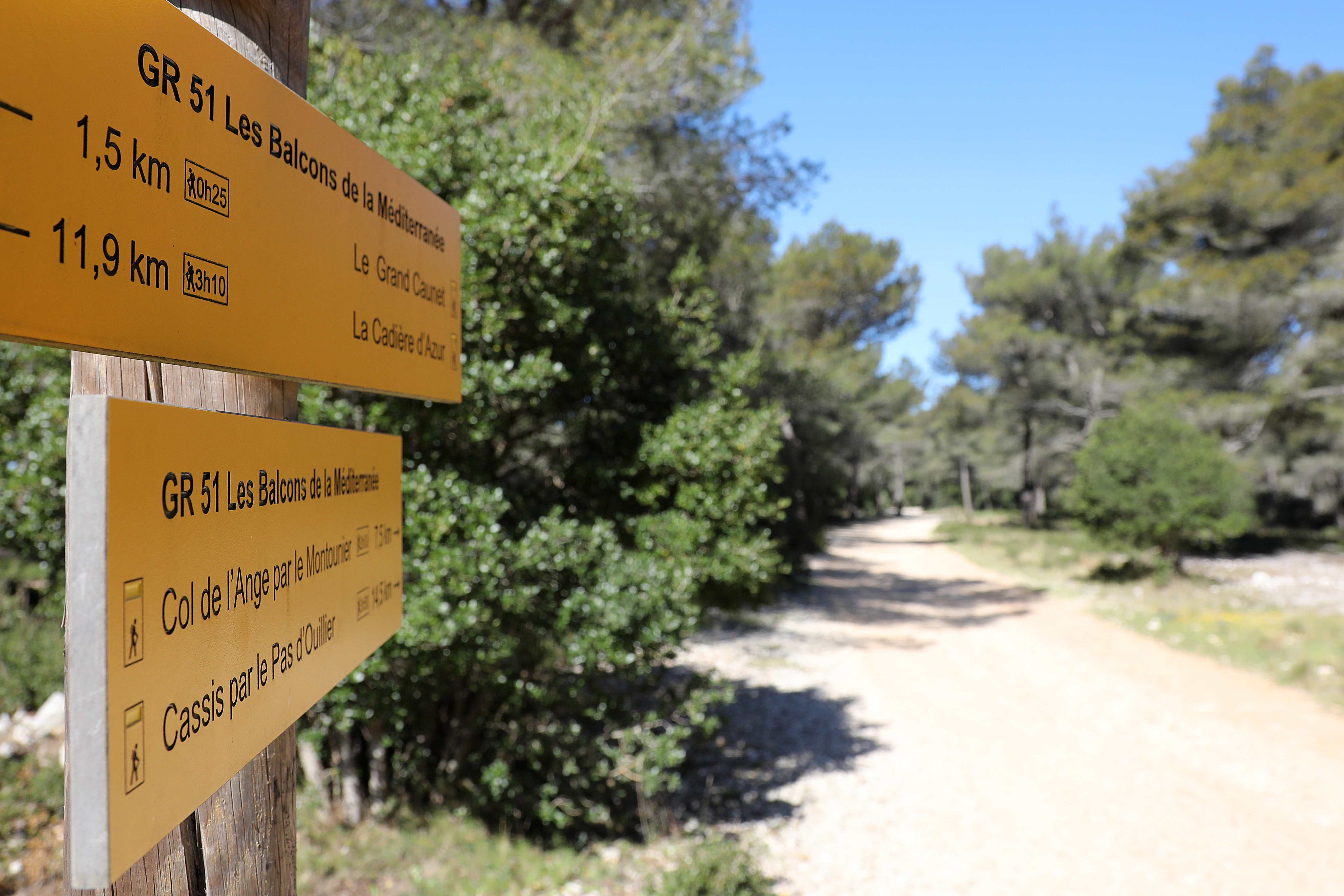
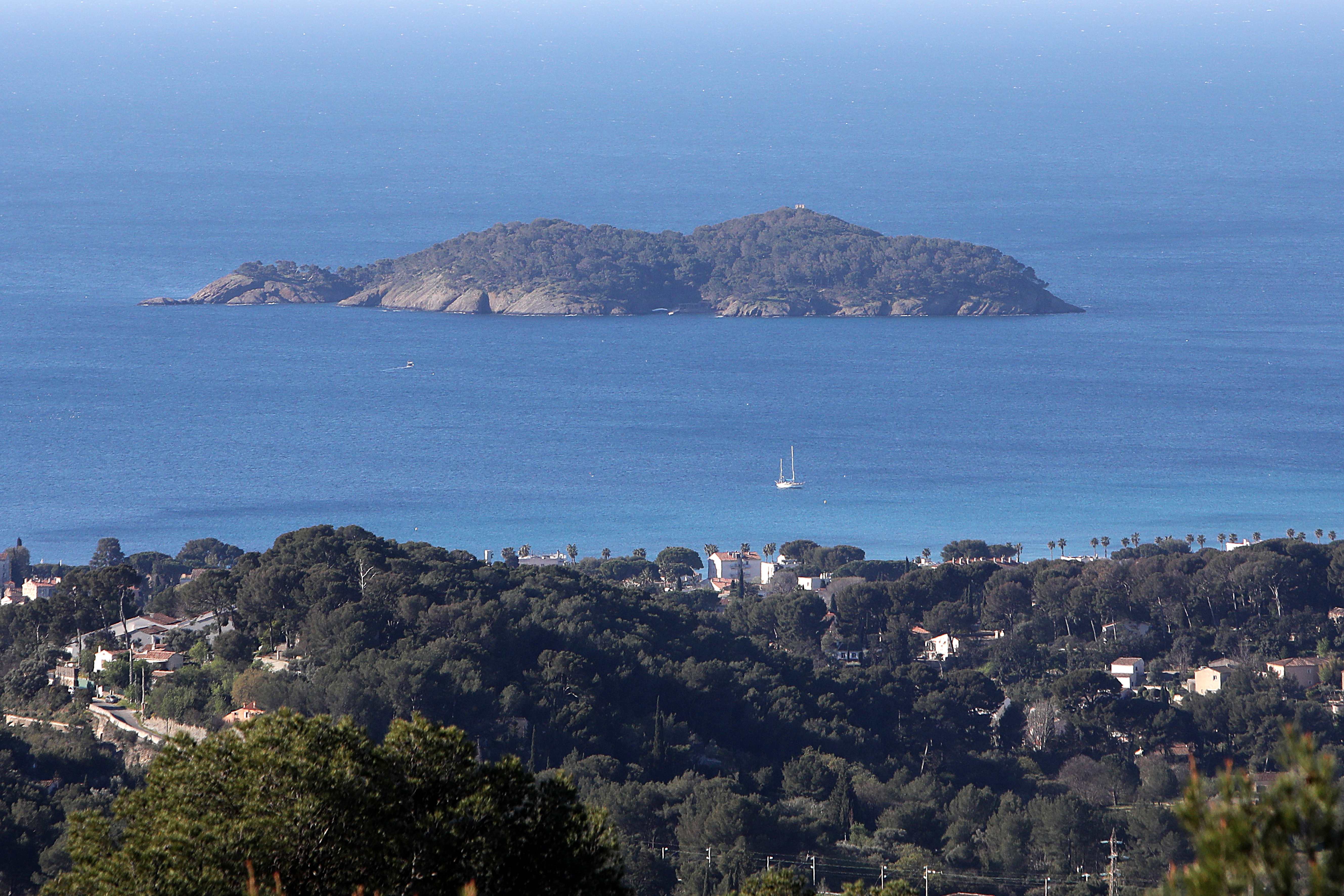
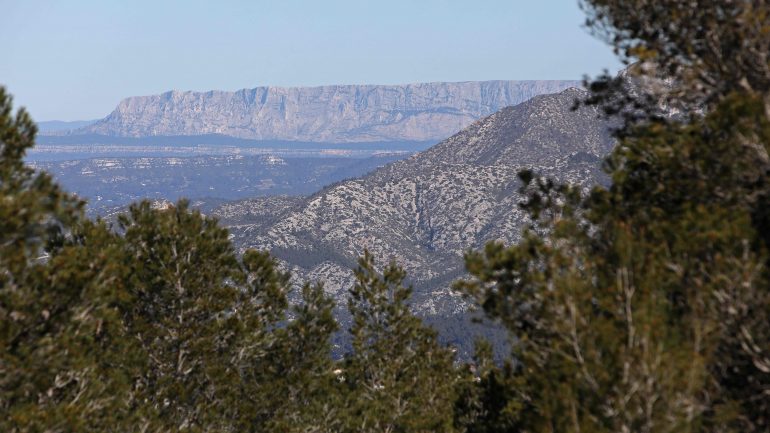
From the car park at the end of Avenue Eugène-Julien in Ceyreste, the DFCI trail climbs toward the Grand Caunet (follow the yellow markers). After tank 117, a path rises to the left above the pine forest, gradually revealing the bay of La Ciotat. On the ridge, the trail meets the GR®51, nicknamed the “Balconies of the Mediterranean,” then the GR®98: an aerial route offering breathtaking views of the Marseille Calanques, Sainte-Victoire, and Pic de Bertagne in the Sainte-Baume massif. Continuing to the watchtower at 499 meters, the panorama opens to a full 360°, before descending to the Cabanon des Gardes refuge, perfect for a pause overlooking the sea. Owned by the Bouches-du-Rhône Department, Fontblanche is far more than a hiking site. Classified as a sensitive natural area and PEFC certified, it also hosts an experimental station dedicated to studying the adaptation of Mediterranean forests to climate change, in collaboration with INRAE. The area is also home to remarkable geological treasures, including a 118-million-year-old fossil ammonite, a vestige of the Tethys Ocean. In winter, when the crisp light highlights the contours of the landscape, walking along these heights is invigorating. Between land and sea, Fontblanche offers a Provence that is both raw and serene.