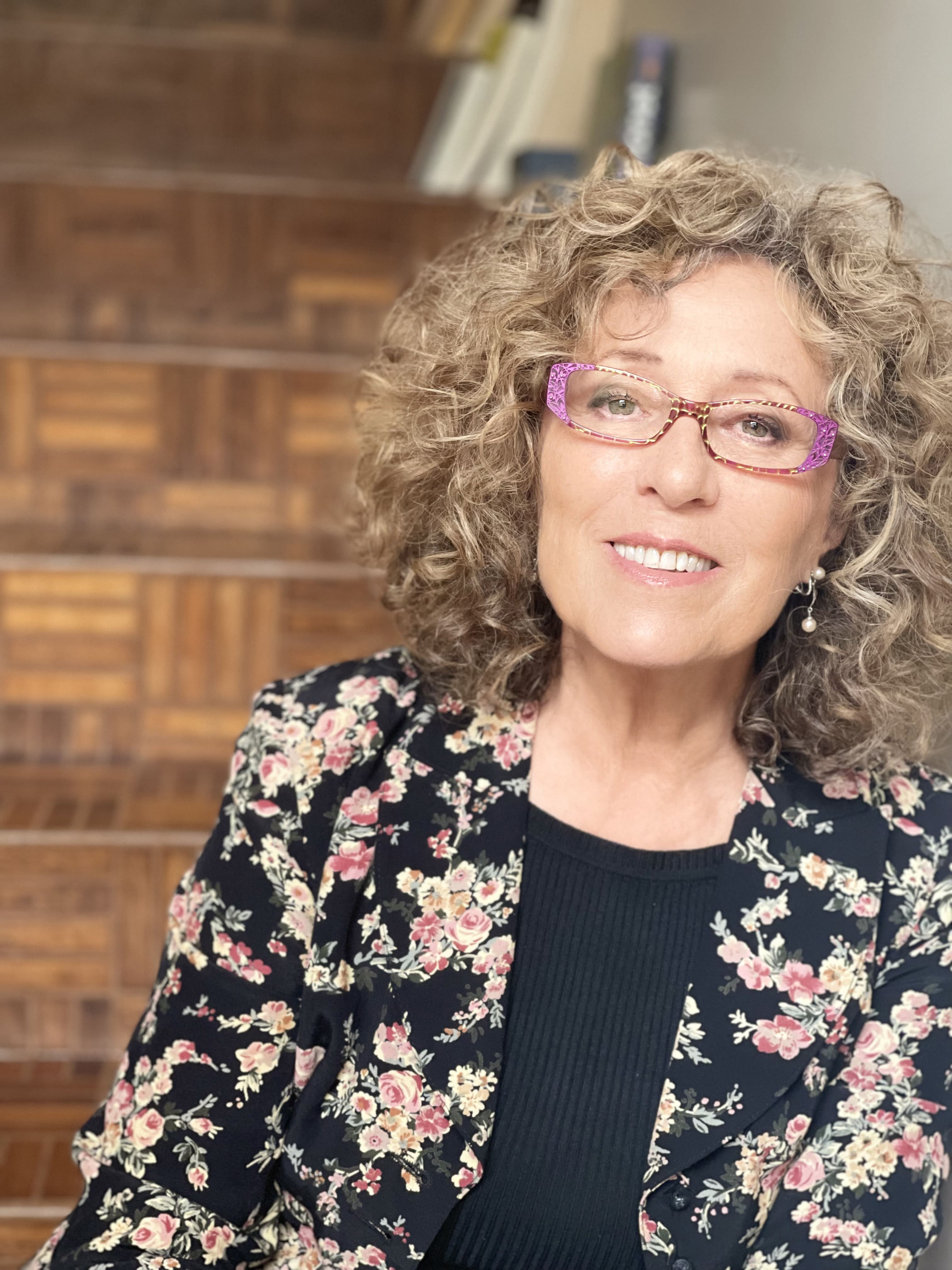

Your career began in print journalism at Le Monde, before you turned to documentaries and intimate interviews on television, often award-winning. How did this transition from print journalism to the screen influence your approach to storytelling?
When you write, you create mental images. You tell a story, bring it to life either narratively or through an interview shared in intimacy, without a camera, from one person to another. The goal is to convey everything through the strength and precision of words. That was my approach to print journalism, which I later transposed to television. Then I discovered a passion for documentary filmmaking and wanted to start filming the people I interviewed. As a journalist, I ask questions and weave a thread to give perspective to their stories. As a director, I want to enter their minds and bring their inner world to the screen. It’s like knitting the two together.
Since the late 1980s, you’ve created iconic shows like Bas les masques and Vie privée, vie publique, tackling topics that were still taboo homosexuality, gender identity, domestic violence… After more than 40 years on screen and behind the camera, what drives your choice of subjects today?
I’ve always loved talking about how society evolves through individual journeys because personal stories only interest me when they resonate with broader social questions. That’s why on my YouTube channel, I reconnect with people, famous or unknown, whom I interviewed 20 or 30 years ago on very different topics. It’s fascinating to follow these life paths over the years and see, through them, progress, stagnation, or sometimes regression on certain issues. I also enjoy shining a light on those considered “invisible”, as much as I like filming those who are, have been, or will be in the spotlight. Human beings fascinate me for their glory and fragility, their failures and successes, their strengths and vulnerabilities. Above all, I admire their ability to bounce back.
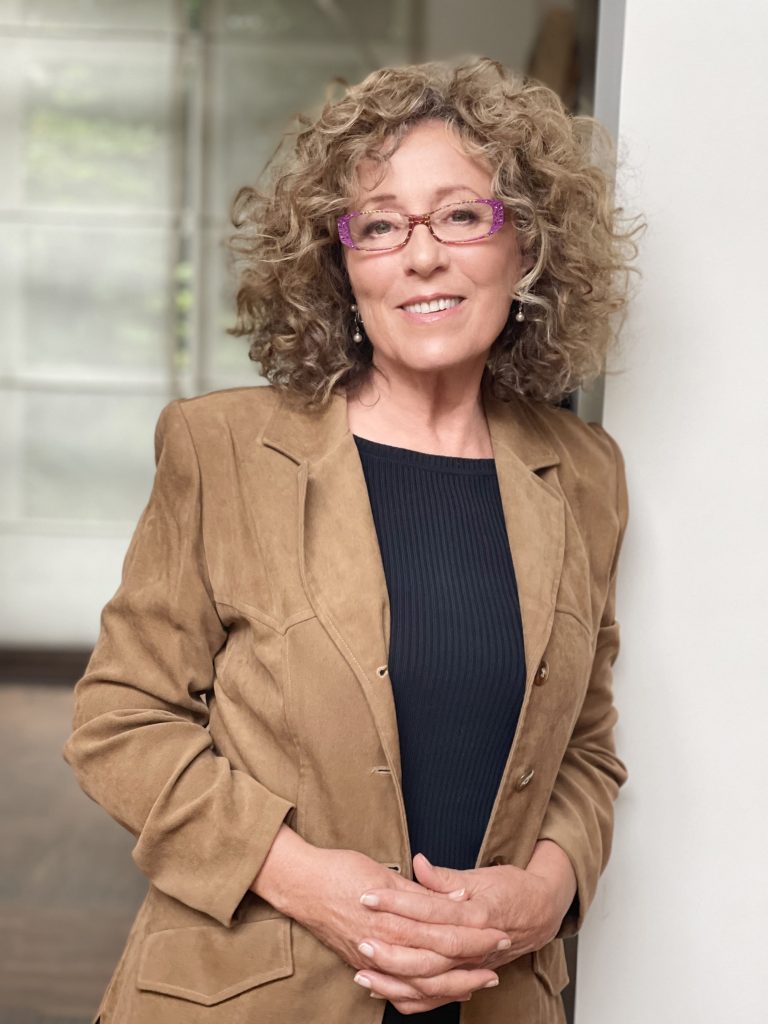
As a producer and director, you recently explored social reintegration in “Des ordures et des hommes”, as well as intimate portraits like Brigitte Bardot. What guides your choice today between an activist documentary and a personal portrait?
Giving a voice to those who are unheard, unseen, or marginalized has always been and will always be my main purpose. It’s a form of social justice. But as I just mentioned, all life journeys interest me, especially those of artists who are often models of resilience, living through the highs and lows of fame. For me, a successful portrait brings together an artist’s creative choices with their personal life and values. With Brigitte Bardot, there was so much to explore! To be and to have been could sum up the life of our mythical “BB”.
And I have a real passion for popular music it brings people together and tells the story of an era in a lighter, more entertaining way. I continue making documentaries about artists from all generations who quite literally enchant me.
You’re very active on social media, especially Facebook, and you’ve successfully launched your YouTube channel.
Yes, it’s wonderful to reach audiences of all ages. Younger generations are discovering me, while longtime viewers are happy to revisit key moments from my interviews and now to watch full episodes and documentaries. It shows how timeless these topics are, still resonating with today’s concerns. Interestingly, about a quarter of my audience lives outside of France.
For the first time in the history of the Monte-Carlo Television Festival, two women chaired the juries of its 64th edition Judith Light for fiction and yourself for documentaries. What message does this send to your peers and the public?
There are now so many remarkable female directors in both documentary and fiction more and more creators, writers, and leaders. It was about time!
In the 1980s and 1990s, when I spoke about society through intimate testimonies that gave words to taboos, unspoken issues, and the unspeakable, people would say, “Oh, that’s a woman’s topic!” When I founded my own production company in 1991, negotiating contracts wasn’t easy I was made to feel that talking about money was a man’s business!
I’m delighted to see women asserting themselves across all fields today. But let’s not forget how many are still humiliated, trampled on, or denied their rights around the world? How many are still beaten, even killed?
What would you like to wish the readers of LiFE Magazine?
Stay open to the world and to others that’s how you stay connected to yourself. Breathe life deeply, keep a sense of humor, and laugh at least once a day!